
-

Wyślij do nas e-mail
sale@lscmagnetics.com -

Numer kontaktowy
+86 -13559234186
Wyślij do nas e-mail
sale@lscmagnetics.comNumer kontaktowy
+86 -13559234186

Nieopiewany bohater precyzyjnego pozycjonowania: magnesy do wkładek prefabrykowanych w branży prefabrykatów betonowych
Mar 07, 2026
Podczas produkcji prefabrykatów betonowych niezliczone rury, tuleje i elementy osadzone muszą być precyzyjnie umiejscowione przed wylaniem betonu. Działają one jak „sieć neuronowa” budynku, przeznaczona do prowadzenia przewodów elektrycznych, wodno-kanalizacyjnych i śrub łączących. Ale jak możemy zagwarantować, że te elementy pozostaną idealnie nieruchome i precyzyjnie umieszczone pod wpływem ogromnej siły wibracji betonu? Odpowiedź leży w pozornie małym, ale niezwykle potężnym urządzeniu –Prefabrykowane magnesy wkładane
Czym są magnesy wkładane prefabrykowane w branży prefabrykatów betonowych?
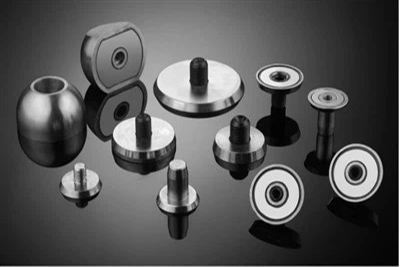
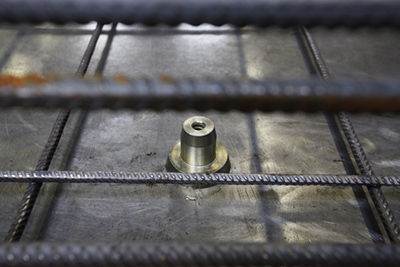
Magnes tulejowy – nazywany również magnesem mocującym tuleję wstępnie osadzoną lub magnetyczną podstawą osadzoną – to magnetyczne urządzenie mocujące zaprojektowane specjalnie do pozycjonowania tulei odlewanych, wykonywania otworów na przełączniki lub rury oraz zabezpieczania wkładek osadzonych podczas produkcji prefabrykowanych elementów betonowych.
Jej podstawowa struktura składa się zazwyczaj z trzech części:
- Rdzeń magnetyczny o wysokiej wytrzymałości: Wewnątrz wykorzystano materiały będące magnesami trwałymi z metali ziem rzadkich (takie jak neodym, żelazo, bor, klasy N42 lub N45), co zapewnia wyjątkowo wysoką energię magnetyczną i wytrzymałość na rozciąganie.
- Zewnętrzna powłoka ze stali nierdzewnej: Otacza rdzeń magnetyczny, zapewniając ochronę i zapobiegając uszkodzeniom lub korozji spowodowanych przez beton w trakcie wylewania.
- Śruba łącząca/akcesoria: W górnej części znajdują się pręty gwintowane o różnych parametrach (zwykle od M12 do M24), które można wkręcić bezpośrednio w tuleję lub inną osadzoną część.
Dzięki połączeniu „rdzenia magnetycznego + powłoki zewnętrznej + śruby” jest to niezastąpione narzędzie do precyzyjnego pozycjonowania w produkcji prefabrykatów betonowych.
Główne cechy: co czyni go tak wyjątkowym?
1. Wyjątkowa siła magnetyczna zapewniająca stabilność jak skała
Magnesy ziem rzadkich w tulei zostały zaprojektowane ze specjalistycznym obwodem magnetycznym, aby generować wyjątkowo silne przyciąganie. Typowe produkty dostępne na rynku osiągają siłę trzymania 60–70 kg lub więcej. Po zamocowaniu do stalowego szalunku stają się praktycznie nieruchome, wytrzymując znaczne siły wylewania betonu i wibracje, zapewniając, że osadzone elementy pozostają dokładnie tam, gdzie powinny.
2. Wielokrotnego użytku, ekonomiczne i przyjazne dla środowiska
W przeciwieństwie do tradycyjnych metod mocowania jednorazowego użytku – takich jak spawanie czy drut wiązałkowy – magnesy tulejowe są przeznaczone do długotrwałego, ponownego użytku. Po wyjęciu z formy magnes można łatwo odkręcić od betonu za pomocą prostego narzędzia, takiego jak klucz imbusowy, wyczyścić i przygotować do kolejnego cyklu produkcyjnego. To znacznie obniża koszty materiałów eksploatacyjnych w dłuższej perspektywie.
3. Szybka instalacja i demontaż dla zwiększenia wydajności
Główną zaletą mocowania magnetycznego jest natychmiastowy chwyt i szybkie odłączanie. Nie trzeba czekać na utwardzenie kleju ani spawać na miejscu. Pracownicy po prostu umieszczają magnes w żądanej pozycji, a on automatycznie się przytwierdza. Rozformowywanie jest równie proste, co pozwala zaoszczędzić sporo czasu zarówno na montażu, jak i demontażu formy. Badania sugerują, że zastosowanie systemu mocowania magnetycznego pozwala zaoszczędzić 5–6 minut na montaż każdego elementu.
4. Wyjątkowa precyzja, eliminująca niewspółosiowość
Tradycyjnie tuleje mocowano jedynie do klatki zbrojeniowej, co czyniło je podatnymi na przesuwanie się pod wpływem wibracji – często prowadząc do rozbieżności w układzie rur podczas późniejszego montażu. Magnesy tulejowe rozwiązują ten problem, mocno mocując osadzony element do powierzchni odniesienia stalowej formy. Gwarantuje to dokładność co do milimetra, co jest szczególnie istotne, gdy na przykład wszystkie punkty mocowania elewacji na zewnętrznym panelu ściennym muszą idealnie pokrywać się w linii prostej.
5. Trwałe i odporne na korozję w trudnych warunkach
Zewnętrzna powłoka jest zazwyczaj wykonana ze stali nierdzewnej (gat. 304 lub 316L), zapewniającej doskonałą odporność na korozję i zużycie. Została zaprojektowana tak, aby wytrzymać długotrwałe użytkowanie w wilgotnym, silnie zasadowym środowisku fabryki prefabrykatów, bez rdzewienia i odkształcania.
Główne funkcje: Jaką funkcję pełni maszyna na linii produkcyjnej?
- Mocowanie różnego rodzaju tulei osadzonych: Tworzenie precyzyjnie rozmieszczonych otworów na przyszłe rury i zapewnienie dokładnego wyrównania pomiędzy sąsiadującymi panelami ściennymi lub podłogami.
- Zabezpieczanie płyt kotwiących i śrub: Mocowanie elementów osadzanych w połączeniach ścian osłonowych, punktach podnoszenia lub innych interfejsach konstrukcyjnych w trakcie betonowania.
- Pozycjonowanie gniazd gwintowanych: zapewnienie, że gwinty wtykowe połączeń śrubowych są dokładnie umiejscowione, co umożliwia łatwy montaż na miejscu.
- Lokalizacja kanałów kablowych i puszek elektrycznych: Utrzymywanie wylotów kanałów i puszek przyłączeniowych we właściwym położeniu, aby zapewnić sprawną instalację elektryczną.
Główne zastosowania i scenariusze zastosowań
Prefabrykowane magnesy wkładane są szeroko stosowane w zakładach produkujących prefabrykaty, wszędzie tam, gdzie wymagane są elementy odlewane:
1. Panele ścienne prefabrykowane
Służą do pozycjonowania tulei rurowych przechodzących przez ścianę, puszek przyłączeniowych oraz elementów mocujących do ścian osłonowych. W przypadku fasad architektonicznych, gdzie wszystkie punkty kotwienia muszą być idealnie dopasowane, magnesy tulejowe są niezbędne do uzyskania wymaganej precyzji.
2. Prefabrykowane płyty stropowe kanałowe i pełne
Służy do mocowania gniazdek instalacji MEP i mocowań wieszaków sufitowych, zapewniając dokładne wyrównanie poziomów podłóg.
3. Belki i kolumny prefabrykowane
Używane do ustalania położenia punktów podnoszenia, mocowania połączeń stalowych i innych gniazd odlewanych, zapewniając precyzyjne interfejsy do późniejszych połączeń konstrukcyjnych lub mechanicznych.
4. Schody prefabrykowane
Używane do tworzenia precyzyjnie rozmieszczonych gniazd do mocowania poręczy, co zapewnia pionowy i bezpieczny montaż balustrad.
5. Balkony prefabrykowane i jednostki klimatyzacyjne
Służy do precyzyjnego mocowania odpływów kanalizacyjnych, połączeń poręczy i innych elementów instalacji instalacyjnych.
Zalety techniczne: rozwiązywanie problemów branżowych
Wraz ze wzrostem zapotrzebowania na standaryzowane, wysoce precyzyjne komponenty w szybko rozwijającym się sektorze budownictwa prefabrykowanego, magnesy tulejowe stały się rozwiązaniem kilku uporczywych problemów związanych z tradycyjnymi metodami osadzaniowymi:
| Tradycyjne wyzwanie | Rozwiązanie z magnesami wkładanymi prefabrykowanymi |
| Skłonny do przemieszczenia:Przywiązane jedynie do prętów zbrojeniowych, tuleje często przesuwają się podczas wibracji. | Blokada pozytywna:Siła trzymania >70 kg utrzymuje część w pozycji nieruchomej. |
| Niska dokładność pozycjonowania:Niewłaściwie ustawione tuleje mogą powodować problemy z montażem na miejscu. | Dokładna lokalizacja:Bezpośrednie mocowanie do formy stalowej gwarantuje dokładność co do milimetra. |
| Powolna instalacjaSpawanie, wiązanie i regulacja są czasochłonne. | Szybkie mocowanie:Natychmiastowy uchwyt magnetyczny pozwala zaoszczędzić do 5–6 minut na każde osadzenie. |
| Uszkodzenia form:Spawanie lub wiercenie może trwale uszkodzić formę stalową. | Nieniszczące:Czysta siła magnetyczna nie uszkadza powierzchni formy. |
| Wysokie koszty materiałów eksploatacyjnych:Jednorazowe elementy mocujące generują ciągłe wydatki i marnotrawstwo. | Wielokrotnego użytku:Setki zastosowań każdego magnesu zapewniają długoterminowe oszczędności. |
FQA
1. Czym właściwie jest magnes wkładany prefabrykowany?
Jest to magnetyczne urządzenie mocujące stosowane w produkcji prefabrykatów betonowych w celu pewnego przytrzymywania wbudowanych elementów, takich jak gniazda gwintowane, rury PCV i skrzynki elektryczne, w miejscu przylegającym do stalowej formy podczas wylewania i wibrowania betonu.
2. Jak mogę sprawdzić, czy magnes jest wystarczająco silny do mojego zastosowania?
Należy wybrać magnes o sile przyciągania co najmniej trzy do pięciu razy większej niż oczekiwane obciążenie lub naprężenie podczas wibracji. Większość renomowanych produktów wyraźnie podaje siłę oderwania (np. 100 kg, 500 kg), aby ułatwić wybór.
3. Czy stan formy stalowej ma wpływ na wydajność magnesu?
Tak, to robi znaczącą różnicę. Magnes wymaga bezpośredniego, czystego kontaktu ze stalową powierzchnią. Wszelkie ślady rdzy, oleju lub betonu utworzą szczelinę powietrzną i zmniejszą skuteczną siłę przyciągania magnesu. Aby uzyskać najlepsze rezultaty, zawsze czyść zarówno formę, jak i podstawę magnesu przed użyciem.
4. Czy te magnesy są wielokrotnego użytku, czy jednorazowego użytku?
Są one przeznaczone do wielokrotnego, długotrwałego użytkowania. Po wyjęciu z formy magnes można odkręcić od stwardniałego betonu, wyczyścić i użyć ponownie setki, a nawet tysiące razy, co czyni je bardzo opłacalnym rozwiązaniem w dłuższej perspektywie.
5. Jakie są główne środki ostrożności przy obchodzeniu się z nimi?
Unikaj ich upuszczania, ponieważ rdzeń magnetyczny jest kruchy i może pęknąć. Trzymaj je z dala od temperatur powyżej 80°C, aby zapobiec rozmagnesowaniu, i zawsze noś rękawice, aby uniknąć obrażeń spowodowanych przytrzaśnięciem, ponieważ silne magnesy mogą się ze sobą połączyć ze znaczną siłą. Gdy nie są używane, przechowuj je na stojakach niemetalowych.
TAGI :
Whatsapp : +86 -13559234186
E-mail : sale@lscmagnetics.com
Tel : +86 -13559234186