
-

Wyślij do nas e-mail
sale@lscmagnetics.com -

Numer kontaktowy
+86 -13559234186
Wyślij do nas e-mail
sale@lscmagnetics.comNumer kontaktowy
+86 -13559234186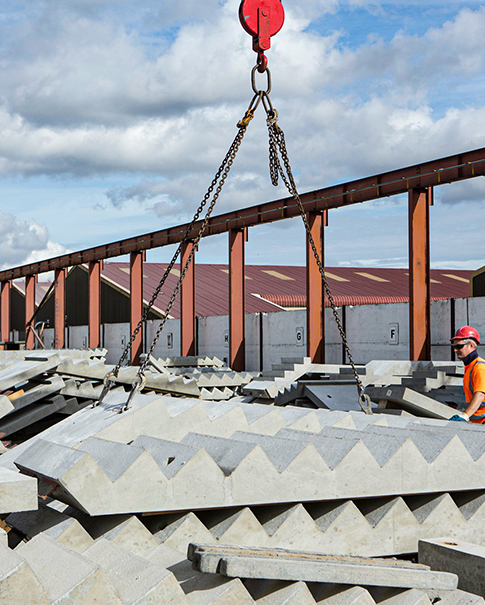

Bitwa o „wygląd” prefabrykatów betonowych: fazowanie magnetyczne czy fazowanie gumowe – które jest dla Ciebie bardziej odpowiednie?
Mar 26, 2026W produkcji prefabrykatów betonowych (PC) pozornie nieistotny szczegół — fazowanie — ma bezpośredni wpływ na jakość gotowego produktu, wydajność montażu i koszty form.
Fazowanie odnosi się do obróbki krawędzi elementów. Jego cel jest nie tylko estetyczny, ale i funkcjonalny, głównie w trzech aspektach:
1. Zapobieganie odpryskiwaniu krawędzi: Unikanie uszkodzeń spowodowanych uderzeniami i wstrząsami podczas wyjmowania z formy, transportu i instalacji.
2. Ochrona pasów uszczelniających: W przypadku budynków prefabrykowanych, gładkie sfazowania zapewniają więcej miejsca na pręty PE i uszczelniacz, gwarantując wodoodporność.
3. Ułatwienie wyjmowania formy: Zmniejszenie „gryzienia” między betonem a krawędziami formy.
Obecnie na rynku dostępne są dwa główne procesy fazowania: magnetyczne paski fazujące i gumowe (lub plastikowe) paski fazujące. Stojąc przed tymi dwoma opcjami, wiele zakładów prefabrykatów często staje przed dylematem podczas planowania produkcji.
Czym są fazowania magnetyczne i fazowania gumowe?
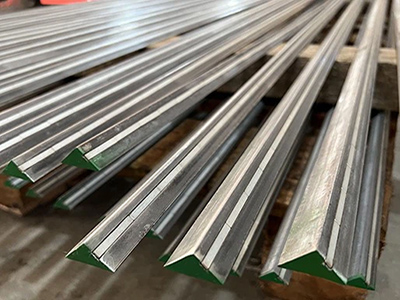
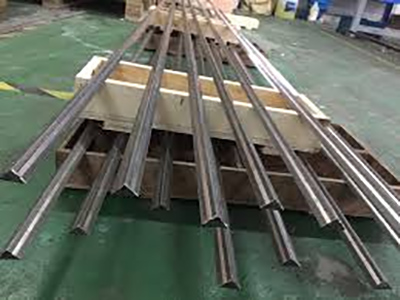
Fazownik magnetyczny to sztywne narzędzie metalowe, zazwyczaj składające się ze stalowej podstawy o określonym profilu fazowania (np. skos 45° lub zaokrąglony róg). Jego główną cechą jest silny magnes osadzony w podstawie.
Zasada działania: Siła magnetyczna mocno mocuje pasek fazujący do stalowego łoża formy bez użycia śrub ani zacisków. Służy on zarówno jako faza, jak i często jako podpora pozycjonująca formy boczne.
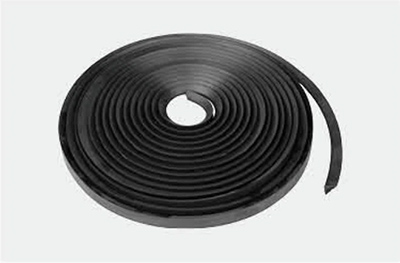
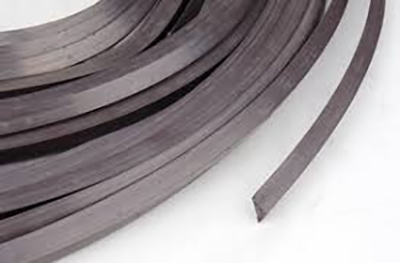
Fazy gumowe są zazwyczaj elastyczne i wykonane metodą wytłaczania z materiałów takich jak guma EPDM lub PVC. Ich przekrój jest dostosowywany do wymagań projektowych, a popularne kształty to łuki i trapezy.
Zasada działania: Zazwyczaj mocuje się je do krawędzi formy za pomocą kleju, wkładki szczelinowej lub pomocniczych bloków magnetycznych.
Porównanie bezpośrednie: cztery kluczowe wymiary
1. Wydajność i wygoda instalacji
Fazowanie magnetyczne: Zdecydowanie lepsze.
Montaż jest tak prosty, jak umieszczenie paska na stole formy – magnes zajmie się resztą w zaledwie kilka sekund. Demontaż jest równie szybki: delikatne podważenie łomem pozwala na jego zdjęcie, pozostawiając czystą, pozbawioną resztek powierzchnię. To sprawia, że fazki magnetyczne to przełomowe rozwiązanie dla linii produkcyjnych z częstymi wymianami form oraz dużą różnorodnością i niskimi seriami produkcyjnymi.
Fazowanie gumowe: Bardziej nieporęczne.
W przypadku użycia kleju należy poczekać na jego utwardzenie, a jego późniejsze usunięcie jest czasochłonne i może łatwo uszkodzić powłokę stołu formy. W przypadku zastosowania formy wciskanej wymagane są dodatkowe skrzynki magnetyczne lub płyty mocujące, co pochłania cenne zasoby i znacznie wydłuża czas instalacji.
2. Dokładność formowania i żywotność
Fazowanie magnetyczne: Wysoka precyzja, ale wymaga ostrożności.
Ponieważ jest to sztywny metal, krawędź fazki magnetycznej jest wyjątkowo prosta, co pozwala na uzyskanie precyzyjnych krawędzi elementów z minimalnym błędem wymiarowym. Jej wadą jest jednak podatność na odkształcenia. Uderzenie wibratorem podczas układania i zagęszczania betonu lub najechanie wózkiem widłowym może spowodować nieodwracalne odkształcenie i konieczność jej wyrzucenia.
Fazowanie gumowe: elastyczne i trwałe.
Gumowe fazki są odporne na uderzenia wibratorów. Nawet jeśli zostaną zmiażdżone przez ciężkie przedmioty, zazwyczaj powracają do pierwotnego kształtu po ustąpieniu siły nacisku. Guma jest jednak materiałem eksploatacyjnym. Długotrwałe narażenie na działanie alkalicznego betonu i promieniowania UV może powodować starzenie, twardnienie, kurczenie się lub rozwarstwianie. Ponadto paski gumowe mogą ulegać niewielkim falistościom na długich odcinkach, przez co są mniej proste niż fazki magnetyczne.
3. Analiza kosztów: krótkoterminowa i długoterminowa
Fazowanie magnetyczne: wyższe koszty początkowe, niższa amortyzacja długoterminowa.
Cena za metr magnetycznego fazownika jest znacznie wyższa niż cena paska gumowego – potencjalnie od pięciu do dziesięciu razy wyższa. Jednak jako narzędzie wielokrotnego użytku, może służyć latami, jeśli nie ulegnie uszkodzeniu. W przypadku stabilnych, długoterminowych zamówień, koszt jednostkowy jest w rzeczywistości bardzo niski.
Gumowe fazowanie: Niski koszt początkowy, wyższe wydatki długoterminowe.
Paski gumowe są niedrogie. Jednak wersje z klejem są jednorazowego użytku, a nawet te wielokrotnego użytku szybko się zużywają. W przypadku zakładu o rocznej wydajności przekraczającej 100 000 metrów sześciennych, roczny koszt pasków gumowych wraz z robocizną związaną z usuwaniem kleju często przewyższa koszt zestawu wysokiej jakości fazowników magnetycznych.
4. Możliwość adaptacji do złożonych komponentów
Fazowanie magnetyczne: Idealne do długich, prostych odcinków i standardowych komponentów.
Fazowanie magnetyczne sprawdza się na długich, prostych krawędziach, takich jak te w płytach kompozytowych i zewnętrznych panelach ściennych. Nie nadaje się jednak do krawędzi zakrzywionych lub nieregularnych, ponieważ metalu nie da się wygiąć do małych promieni.
Fazowanie gumowe: Idealne do nieregularnych i zakrzywionych elementów.
Elastyczność gumy pozwala na łatwe wyginanie jej w dowolny kształt, dzięki czemu doskonale nadaje się do skomplikowanych elementów, takich jak okna wykuszowe, zakrzywione balkony i okna narożne.
Jak wybrać?
Wybierz stalowe fazki magnetyczne, jeśli:
✅ Posiadać stały system obiegu stołu formującego ze stali
✅ Głównie produkcja standardowych elementów o prostej linii
✅ Osiągnij najwyższą precyzję fazowania i jakość powierzchni
✅ Wysoka intensywność produkcji, wymagająca komponentów o bardzo długiej żywotności
✅ Stosuj standardowe procedury konserwacji sprzętu
Wybierz gumowe fazki magnetyczne jeśli:
✅ Częste obchodzenie się z elementami o zakrzywionych lub nieregularnych kształtach
✅ W miejscu produkcji wymagane jest częste ręczne przetwarzanie pasków fazujących
✅ Krótkie cykle projektów, wymagające szybkiej dostawy
✅ Ograniczony budżet, mający na celu zmniejszenie początkowej inwestycji
✅ Elastyczny tryb produkcji wielu odmian i małych partii
Streszczenie
Technologia fazowania magnetycznego zrewolucjonizowała proces fazowania w branży prefabrykatów betonowych. Wybór między stalowymi fazownikami magnetycznymi a fazownikami gumowymi nie zależy od tego, które rozwiązanie jest z natury lepsze, ale od tego, które jest odpowiednie dla konkretnego scenariusza produkcyjnego.
Whatsapp : +86 -13559234186
E-mail : sale@lscmagnetics.com
Tel : +86 -13559234186