-

Wyślij do nas e-mail
sale@lscmagnetics.com -

Numer kontaktowy
+86 -13559234186
Wyślij do nas e-mail
sale@lscmagnetics.comNumer kontaktowy
+86 -13559234186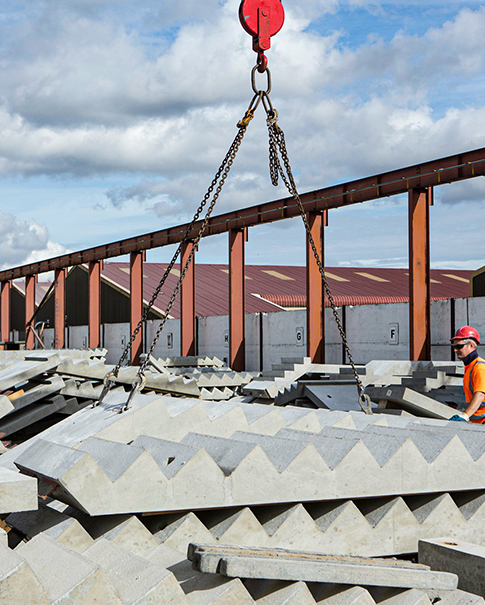

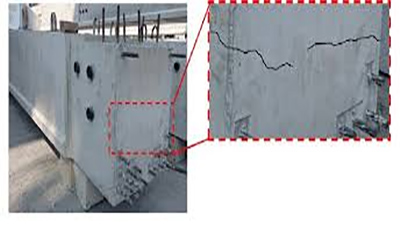
"blok konstrukcyjnyMetoda budowy z wykorzystaniem prefabrykowanych płyt ściennych sprawia, że budowa domów jest szybsza i tańsza. Jednak jak każda nowa technologia, ma ona swoje problemy rozwojowe – a pęknięcia są najbardziej uciążliwym „problemem estetycznym” prefabrykowanych płyt ściennych.
Być może zastanawiasz się: czy komponenty produkowane fabrycznie nie powinny być dokładniejsze niż odlewane na miejscu? Dlaczego wciąż pękają? W rzeczywistości pękanie prefabrykowanych paneli ściennych to problem inżynierii systemowej. Od rysunków projektowych po produkcję w fabryce, od wstrząsów transportowych po podnoszenie na miejscu – zaniedbanie na każdym etapie może pozostawić ślad na panelu. Dzisiaj pokażemy, jak systematycznie ograniczać pękanie, od źródła po końcowy montaż.
Skąd się biorą pęknięcia? – Trzy główne przyczyny
Zanim omówimy rozwiązania, musimy zrozumieć, jak powstają pęknięcia. Zgodnie z praktyką branżową, pęknięcia zazwyczaj pojawiają się w trzech fazach:
- Wady na etapie projektowania – na przykład brak wzmocnienia wokół otworów drzwiowych lub okiennych, zbyt duże rozpiętości paneli lub źle rozmieszczone punkty podparcia. Powodują one, że najsłabsze punkty pękają pod wpływem naprężeń jako pierwsze.
- Błędy w produkcji i pielęgnacji – Niewłaściwe proporcje mieszanki betonowej, słabe zagęszczenie, przedwczesne wyjmowanie z formy lub niewystarczające utwardzanie sprawiają, że płyty są osłabione już od samego początku.
- Nieostrożne obchodzenie się podczas transportu i montażu – nierównomierne naprężenia spowodowane nieprawidłowo ustawionymi przekładkami w czasie transportu, gwałtowne kolizje podczas podnoszenia lub układanie paneli zbyt wysoko na placu budowy – te „wtórne urazy” są często bezpośrednią przyczyną pęknięć.
Gdy poznamy przyczyny, będziemy mogli podjąć odpowiednie działania. Redukcja pęknięć w prefabrykowanych panelach ściennych wymaga kontroli jakości, obejmującej cały proces projektowania, produkcji, transportu i budowy.
Faza projektowania: zapobieganie pęknięciom zanim się pojawią
Często pęknięcia nie powstają na miejscu – są uwzględniane w planach. Dobry projekt to pierwsza linia obrony.
- Prawidłowo ułóż „szkielet” – Stalowe zbrojenie w prefabrykowanym panelu ściennym nie tylko przenosi obciążenia, ale także ogranicza skurcz betonu i jest odporne na naprężenia termiczne. Prawidłowe zbrojenie, oparte na schemacie naprężeń panelu, znacznie zmniejsza ryzyko pęknięć. W miejscach narażonych na duże obciążenia, takich jak otwory drzwiowe i okienne, zawsze stosuj zbrojenie ukośne – łatkę na słabe punkty.
- Kontrola rozpiętości i rozmiaru – Niektóre panele pękają podczas podnoszenia po prostu dlatego, że są zbyt długie. Projektanci muszą utrzymywać rozpiętość w granicach rozsądnego ugięcia panelu, a nie kierować się zasadą „im większy, tym lepszy” kosztem bezpieczeństwa konstrukcyjnego.
- Optymalizacja połączeń – Proste, płaskie połączenia łatwo przeciekają. Połączenie typu „pióro-wpust” z wyższą krawędzią wewnętrzną i niższą krawędzią zewnętrzną, w połączeniu z odciążającą wnęką i taśmą wodoodporną, zatrzymuje wodę i redukuje naprężenia wywołane temperaturą.
Etap produkcji: zapewnienie panelom solidnego fundamentu
Fabryka to miejsce, w którym powstają panele. Kontrola jakości określa tutaj ich podstawowy stan.
- Trzymaj się sprawdzonej receptury betonu – często jest to pomijane. Używaj cementu niskotemperaturowego, wysokiej jakości popiołu lotnego oraz dobrze uziarnionego piasku i żwiru o średniej grubości, aby zmniejszyć skurcz podczas twardnienia. Ponadto, ściśle ogranicz zawartość gliny w kruszywie – glina osłabia wiązanie między cementem a kamieniem, tworząc drobne pęknięcia.
- Unikaj nadmiernego wibrowania – Wylewanie betonu to umiejętność, a nie brutalna siła. Zbyt niskie wibracje powodują powstawanie plastrów miodu i wżerów; zbyt wysokie powodują segregację i pęknięcia wzdłuż prętów zbrojeniowych. Wiele fabryk używa obecnie stołów wibracyjnych i wibracji ręcznej, aby uzyskać gęsty, jednorodny beton.
- Prawidłowe utwardzenie – nie spiesz się z wyjmowaniem z formy – Po wylaniu beton musi „odpocząć” w odpowiedniej temperaturze i wilgotności, aby nabrać wytrzymałości. Wyjmowanie z formy zbyt wcześnie, aby dotrzymać terminów, lub pozostawienie płyty do wyschnięcia podczas utwardzania, spowoduje pęknięcia powierzchniowe spowodowane skurczem.
Transport i przechowywanie: należy obchodzić się ostrożnie przez cały czas
Po opuszczeniu fabryki panele nie są niezniszczalne. Uderzenia podczas transportu i nacisk podczas układania w stosy mogą spowodować ukryte uszkodzenia.
- Zapewnij im komfort – Na ciężarówkach i na placach składowych nigdy nie umieszczaj paneli bezpośrednio na twardych powierzchniach. Użyj drewnianych podpór u dołu i upewnij się, że podpory między warstwami są wyrównane w pionie. Nieprawidłowo ustawione podpory powodują, że panele „zawieszają się” – pękają pod własnym ciężarem.
- Przechowywać w pozycji pionowej – W przypadku elementów pionowych, takich jak panele ścienne, należy je transportować w pozycji pionowej lub na specjalnych stelażach, a nie na płasko. Transport na płasko zwiększa ryzyko uszkodzeń spowodowanych wibracjami.
- Ogranicz wysokość stosu – Układanie płyt kompozytowych zbyt wysoko jest ryzykowne. Zasadniczo nie należy przekraczać sześciu warstw, w przeciwnym razie dolne panele mogą pęknąć pod wpływem nacisku.
Faza budowy: ostateczny strażnik
Nawet idealnie wykonane panele mogą zawieść, jeśli montaż będzie niedbały. Precyzja na miejscu jest kluczowa.
- Podnoś precyzyjnie – bez użycia siły – Przed podnoszeniem dokładnie zaznacz linie wyrównania. Opuszczaj panel powoli i płynnie, używając łomów, aby naprowadzić go na miejsce. Użycie siły może spowodować niewidoczne uszkodzenia wewnętrzne.
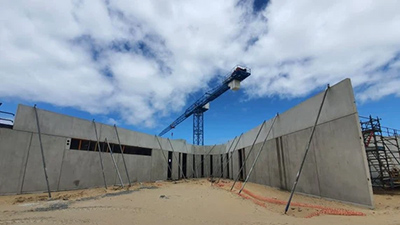
- Pełne podłoże z zaprawy, stabilne usztywnienie – Warstwa zaprawy pod płytą musi być pełna i równa. Jeśli jest nierówna, spód płyty będzie częściowo niepodparty, co doprowadzi do nierównomiernego rozłożenia naprężeń. Po ułożeniu płyty należy natychmiast zamontować stężenia ukośne i wyregulować pionowość. Stężenia te działają jak kule podporowe, dopóki połączenia nie osiągną pełnej wytrzymałości.
- Zabezpiecz spoiny – dla estetyki i funkcjonalności – Spoiny poziome i pionowe są wrażliwe na wodę. Po oczyszczeniu szczeliny, włóż pręt uszczelniający, a następnie nałóż uszczelniacz odporny na warunki atmosferyczne. Niedokładne wykonanie tego kroku nie tylko spowoduje przedostawanie się wody, ale także poszerzenie pęknięć w wyniku wielokrotnego zamrażania i rozmrażania.
- Chroń gotowe panele – Po montażu, późniejsze prace (hydraulika, elektryka, prace wykończeniowe) mogą uszkodzić panele, jeśli nie będą ostrożne. Nigdy nie wycinaj nowych rowków, zwłaszcza tam, gdzie są już osadzone rury.
Nie ma jednego, magicznego rozwiązania na redukcję pęknięć w prefabrykowanych panelach ściennych. Sprowadza się to do skrupulatnego, kompleksowego zarządzania – od projektu, przez produkcję, transport, aż po budowę.
Beton jest naturalnie podatny na pękanie, ale nowoczesna inżynieria pozwala nam utrzymać te pęknięcia w bezpiecznych granicach. W przypadku budynków prefabrykowanych, rozpoznanie problemu i zastosowanie naukowych metod zapobiegania to jedyny sposób na osiągnięcie zarówno dojrzałości, jak i precyzji.
Whatsapp : +86 -13559234186
E-mail : sale@lscmagnetics.com
Tel : +86 -13559234186