-

Wyślij do nas e-mail
sale@lscmagnetics.com -

Numer kontaktowy
+86 -13559234186
Wyślij do nas e-mail
sale@lscmagnetics.comNumer kontaktowy
+86 -13559234186

W budownictwie żelbetowym grubość otuliny betonowej bezpośrednio decyduje o trwałości konstrukcji, jej ognioodporności i nośności. Osiągnięcie precyzyjnej grubości otuliny często zależy od tych niepozornych, drobnych akcesoriów – urządzeń do pozycjonowania prętów zbrojeniowych. Obecnie dwa najpopularniejsze produkty na rynku to stalowe krzesła do prętów zbrojeniowych i plastikowe podkładki dystansowe. Każdy z nich ma swoich zwolenników, ale i swoje ograniczenia. Niniejszy artykuł przedstawia kompleksowe porównanie pod względem właściwości materiałów, właściwości mechanicznych, łatwości montażu i ekonomiczności.
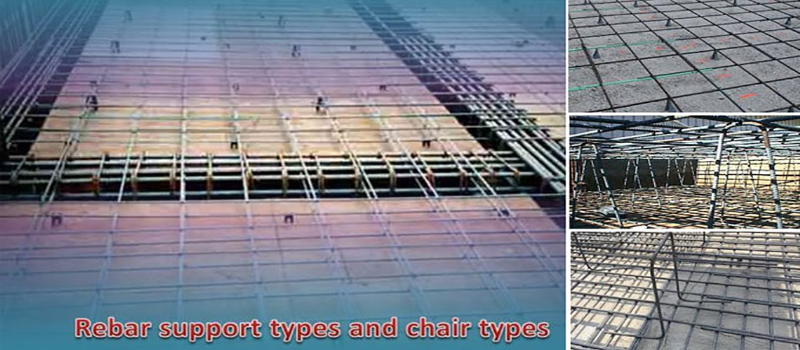
Stalowe pręty zbrojeniowe są zazwyczaj wykonane z okrągłych lub odkształconych prętów stalowych, wygiętych i zespawanych w kształt litery „Π” lub fali ciągłej. Podtrzymują one wierzchnią warstwę siatki zbrojeniowej, utrzymując wymaganą odległość między siatką a deskowaniem.
Typowe formy: krzesła z jedną nogą, krzesła z dwiema nogami, krzesła ciągłe i krzesła wysokie przeznaczone specjalnie do płyt kompozytowych
Funkcja podstawowa: przenoszenie ciężaru zbrojenia i obciążeń konstrukcyjnych, zapobieganie uginaniu się lub odkształcaniu górnej warstwy
Typowe zastosowania: płyty podłogowe, maty fundamentowe, płyty szczytowe przepustów skrzynkowych, dwukierunkowa siatka zbrojeniowa płyt itp.
Przekładki plastikowe są formowane wtryskowo z polietylenu o wysokiej gęstości (HDPE) lub polipropylenu (PP). Występują w różnych kształtach – podkładek, kółek, stożków i kozłów – i służą do utrzymania odstępu między zbrojeniem a deskowaniem.
Podstawowa funkcja: kontrola odstępu między prętami zbrojeniowymi a deskowaniem, zapewniająca określoną grubość otuliny
Typowe zastosowania: belki, słupy, panele ścienne, elementy prefabrykowane i elementy o wysokich wymaganiach estetycznych dla powierzchni eksponowanych
| Wymiar | Krzesło ze stalowych prętów zbrojeniowych | Przekładka plastikowa |
| Wytrzymałość na ściskanie | Bardzo wysoka – wytrzymuje ciężar własny prętów zbrojeniowych i ruch pieszy na budowie | Średnia – standardowe przekładki mają ograniczoną nośność; wersje o dużej wytrzymałości oferują lepszą wytrzymałość |
| Sztywność | Wysoka – odporna na odkształcenia, utrzymuje płaskość siatki zbrojeniowej | Niska – podatna na odkształcenia plastyczne lub zgniatanie pod wpływem dużego nacisku |
| Zakres zastosowania | Płyty o dużej rozpiętości, gruba siatka zbrojeniowa (np. siatka dwuwarstwowa z prętami > Ø25) | Płyty, ściany, słupy o małej rozpiętości, elementy zbrojone konwencjonalnie |
Wniosek: W przypadku grubych płyt fundamentowych, ciężkich posadzek przemysłowych i płyt o dużej rozpiętości, stalowe pręty zbrojeniowe są praktycznie niezastąpione. Plastikowe podkładki dystansowe są bardziej odpowiednie dla konwencjonalnych elementów o mniejszym obciążeniu.
To jest aspekt budzący najwięcej dyskusji.
Zagrożenia związane z krzesłami stalowymi:
Stal może ulec korozji wżerowej na skutek karbonatyzacji betonu, jeśli grubość warstwy pokrywającej nie jest odpowiednio kontrolowana.
Na obszarach o zmiennym poziomie wody, środowisku morskim lub narażonych na ataki chemiczne, krzesła stalowe mogą stać się źródłem korozji, która prowadzi do pęknięć wywołanych rdzą.
Normy wymagają, aby krzesła stalowe były wykonane z prętów o odporności na korozję co najmniej równej odporności głównego zbrojenia i nie mogą być odsłonięte na powierzchni elementu.
Zalety przekładek plastikowych:
Dobra stabilność chemiczna – odporność na kwasy i zasady, nieprzewodzący prąd, brak ryzyka nowej korozji.
Dobra przyczepność do betonu – brak problemów z korozją elektrochemiczną.
W niektórych produktach premium zastosowano kompozyty wzmacniane włóknami (np. przekładki z włókna szklanego), które zapewniają równowagę między wytrzymałością a trwałością.
W środowiskach o wysokiej korozyjności (obiekty morskie, zakłady chemiczne, filary mostowe) oraz w przypadku odsłoniętego betonu architektonicznego, bardziej niezawodnym wyborem są przekładki plastikowe lub kompozytowe.
| Aspekt | Krzesło ze stalowych prętów zbrojeniowych | Przekładka plastikowa |
| Szybkość instalacji | Wymaga wiązania lub spawania punktowego – więcej czasu pracy | Konstrukcja zatrzaskowa – gotowa do użycia, znacznie szybsza |
| Dokładność pozycjonowania | Zależy od umiejętności pracownika – spójność odstępów jest umiarkowana | Wykonane fabrycznie z precyzyjnymi wymiarami – łatwa kontrola odstępów |
| Zdolność adaptacji | Możliwość gięcia i regulacji na miejscu – wysoka elastyczność | Stałe wymiary – słaba możliwość dostosowania do nieregularnych części |
| Uszkodzenie deskowania | Sztywne stalowe stopy mogą zarysować drewniane lub aluminiowe szalunki | Miękki materiał – przyjazny dla szalunków |
W przypadku projektów, w których priorytetem jest szybkość budowy i standaryzacja operacji, plastikowe przekładki mają przewagę. Jednak w przypadku nieregularnych elementów i częstych regulacji na miejscu, elastyczność stalowych krzeseł jest bardziej cenna.
Krzesła stalowe: Powierzchnia styku z deskowaniem jest niewielka, jednak krzesła mogą pozostawiać plamy rdzy lub niewielkie nierówności na powierzchni betonu – co jest niepożądane w przypadku odsłoniętego betonu architektonicznego.
Przekładki plastikowe: Dobrze zaprojektowane powierzchnie styku pozostawiają minimalne ślady po usunięciu formy. Jednak przekładki plastikowe niskiej jakości mogą powodować różnice w kolorze lub wgniecenia (potocznie zwane „śladami po przekładkach”), szczególnie w przypadku betonu o wysokiej wytrzymałości lub cienkich warstw wierzchnich.
Zalecenie: W przypadku betonu architektonicznego, prefabrykowanych paneli elewacyjnych i elementów dekoracyjnych należy wybierać wysokiej jakości przekładki betonowe lub plastikowe przekładki w kolorze dopasowanym do elementu konstrukcyjnego. Przed wylaniem zawsze należy sprawdzić dopasowanie przekładki do szalunku.
| Pozycja kosztowa | Krzesło ze stalowych prętów zbrojeniowych | Przekładka plastikowa |
| Cena jednostkowa materiału | Ceny stali podlegają wahaniom – są zazwyczaj wyższe niż ceny plastiku | Produkcja masowa metodą wtrysku – niższa cena jednostkowa |
| Koszt pracy | Wiązanie zajmuje czas – udział pracy jest wysoki | Szybka instalacja – niskie koszty robocizny |
| Transport i magazynowanie | Ciężki – wyższe koszty transportu i obsługi na miejscu | Lekkie, kompresowalne opakowanie – niskie koszty logistyczne |
| Całkowity koszt | Dobra wartość dla ciężkich członków | Znaczna przewaga kosztowa dla członków konwencjonalnych |
Uwaga: Jeśli plastikowe przekładki spowodują ugięcie prętów zbrojeniowych lub niewystarczające pokrycie, koszty naprawy znacznie przewyższą początkowe oszczędności na materiale. Kontrola kosztów nigdy nie powinna odbywać się kosztem jakości.
Krzesła stalowe: W pełni nadają się do recyklingu, ale ich produkcja jest energochłonna (emisja CO₂ związana z produkcją stali). W niektórych projektach zaczęto wykorzystywać stal pochodzącą z recyklingu.
Przekładki plastikowe: Wykonane z materiałów ropopochodnych – trudno biodegradowalne. Jednak niektórzy producenci oferują obecnie przekładki z plastiku pochodzącego z recyklingu lub przekładki wielokrotnego użytku. Z perspektywy cyklu życia, jeśli przekładki plastikowe pomagają zapewnić trwałość konstrukcji (zmniejszając potrzebę konserwacji i odbudowy), ich pośrednia korzyść dla środowiska jest znacząca.
| Scenariusz aplikacji | Zalecany wybór | Powód |
| Mata fundamentowa/czubek słupa (grube zbrojenie, duże obciążenia) | Krzesło ze stalowych prętów zbrojeniowych | Wymagana jest duża nośność – plastikowe przekładki mogą ulec zgnieceniu. |
| Płyta stropowa budynku wysokiego (zbrojenie konwencjonalne) | Przekładka plastikowa lub krzesło ze stali lekkiej | Priorytetem jest wydajność i oszczędność. |
| Płyta kompozytowa prefabrykowana / panel ścienny | Przekładka plastikowa | Standaryzacja produkcji i wysoka jakość powierzchni. |
| Filar mostu / konstrukcja morska | Przekładka plastikowa lub kompozytowa | Kluczowe znaczenie ma zapobieganie korozji – należy unikać wprowadzania źródeł rdzy. |
| Beton architektoniczny / element dekoracyjny | Dystans betonowy lub dystans plastikowy w kolorze dopasowanym do podłoża | Unikaj różnic w odcieniach i plam rdzy. |
| Warsztat o wysokiej temperaturze / konstrukcja ognioodporna | Krzesło stalowe lub przekładka betonowa | Plastik mięknie i pęka pod wpływem wysokiej temperatury – krzesła stalowe zapewniają lepszą odporność na ogień. |
Jeśli konieczne jest użycie krzeseł stalowych, należy upewnić się, że są one ocynkowane ogniowo, malowane proszkowo lub pomalowane powłoką antykorozyjną. Zardzewiałe krzesła są surowo zabronione – rdza nie tylko plami deskowanie, ale również stwarza ryzyko pęknięć korozyjnych wewnątrz betonu.
Rynek plastikowych przekładek jest zalewany produktami niskiej jakości. Przed zakupem należy zażądać od producenta raportu z badań wytrzymałości na ściskanie oraz przeprowadzić na miejscu pobranie próbek i próby ciśnieniowe. W przypadku betonu o wysokiej wytrzymałości (C50 lub wyższej) lub grubych prętów zbrojeniowych, zwykłe plastikowe przekładki często okazują się niewystarczające – należy wybrać wytrzymałe, wzmocnione przekładki plastikowe lub stalowe krzesła.
Rozstaw dystansów musi być zgodny ze specyfikacją. Zasada ogólna: zbrojenie nie może uginać się poza dopuszczalne granice pod wpływem obciążeń konstrukcyjnych. Typowy maksymalny rozstaw: dolne dystanse dla płyt ≤ 1,0–1,2 m; górne stalowe podkładki dla płyt ≤ 0,8–1,0 m. Zawsze należy zapoznać się z normami projektowymi i instrukcjami technicznymi produktu.
Nigdy nie umieszczaj prętów zbrojeniowych bezpośrednio na szalunku bez żadnego podparcia – mogą się one przewrócić podczas betonowania.
Nigdy nie używaj kamieni, połamanych cegieł, drewnianych bloków itp. jako zamienników zatwierdzonych przekładek. Jest to powszechna wada jakościowa, która poważnie wpływa na jednorodność pokrycia i gęstość betonu.
Nigdy nie należy stosować przekładek plastikowych, które przez dłuższy czas były wystawione na bezpośrednie działanie promieni słonecznych – promieniowanie UV znacznie zmniejsza ich właściwości mechaniczne.
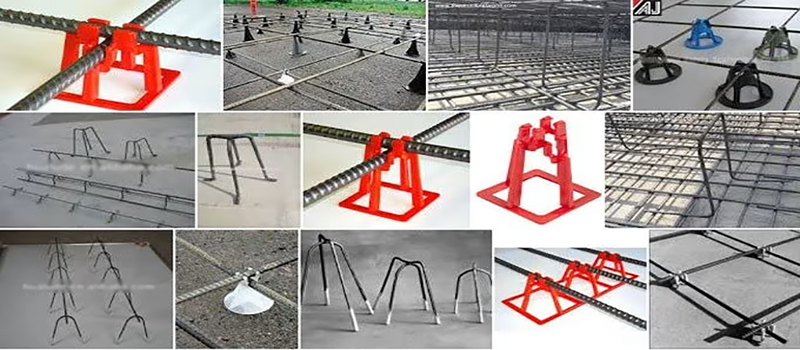
Krzesła ze stalowych prętów zbrojeniowych i plastikowe przekładki nie są rozwiązaniem, które po prostu „jedno zastępuje drugie”, raczej wzajemnie się uzupełniają.
W przypadku dużych obciążeń, dużych rozpiętości i poważnych obciążeń konstrukcyjnych należy wybierać krzesła stalowe – ich sztywność i niezawodność stanowią podstawę bezpieczeństwa.
Wybierz dystanse plastikowe, jeśli zależy Ci na szybkości budowy, odporności na korozję, trwałości i jakości powierzchni – ich standaryzacja i właściwości materiałowe są bardzo atrakcyjne.
Jako kierownik projektu, wyjdź poza schemat „cena na pierwszym miejscu”. Weź pod uwagę cztery czynniki: rodzaj konstrukcji, warunki środowiskowe, metody budowy i cele jakościowe. Czasami najbardziej praktycznym rozwiązaniem jest użycie obu materiałów w tym samym komponencie (np. stalowe krzesła w płycie fundamentowej i plastikowe przekładki w ścianach bocznych).
Ostatecznie, niezależnie od dokonanego wyboru, ścisłe przestrzeganie specyfikacji, zakup wykwalifikowanych produktów i przeprowadzenie rygorystycznych kontroli na miejscu to podstawowe sposoby zapewnienia, że otulina betonowa spełnia normy, a konstrukcja osiągnie trwałość na wiele stuleci.
1. P: Jakie są główne zastosowania dystansów plastikowych?
A: Kontrolują grubość otuliny betonowej, ustalają położenie prętów zbrojeniowych i zapobiegają korozji spowodowanej niewystarczającą otuliną.
2. P: Jakie są zalety przekładek plastikowych?
A: Produkty produkowane fabrycznie z zachowaniem wysokiej dokładności wymiarowej, lekkie, łatwe w montażu, odporne na korozję i tanie.
3. P: Jakie są główne problemy związane z dystansami plastikowymi?
A: Niska wytrzymałość – łatwo ulega odkształceniu lub uszkodzeniu w trakcie budowy, słabo wiąże się z betonem, jest podatny na starzenie, ma niską trwałość długoterminową i może tworzyć ścieżki przesiąkania wody.
4. P: Co można zastosować jako zamiennik, jeśli zakazane jest stosowanie dystansów plastikowych?
A: Prefabrykowane betonowe przekładki o wysokiej wytrzymałości (okrągłe, typu G), prefabrykowane podpory metalowe, zaciski pozycjonujące pręty zbrojeniowe typu F lub podpory typu drabinowego.
5. (Numer poprawiony) P: Jakie są standardowe specyfikacje dla dystansów plastikowych?
A: Do międzynarodowych norm uznawanych za obowiązujące należą: BS 7973:2001 (brytyjska norma obejmująca parametry użytkowe i montaż produktów, wymagająca, aby przekładki miały otwarte powierzchnie umożliwiające przepływ kruszywa); AS/NZS 2425:2015 (australijsko-nowozelandzka norma dotycząca plastikowych krzeseł zbrojeniowych); JIS A 5390:2001 (japońska norma przemysłowa dotycząca plastikowych przekładek w prefabrykatach betonowych); oraz podręcznik CRSI (norma amerykańska).
Whatsapp : +86 -13559234186
E-mail : sale@lscmagnetics.com
Tel : +86 -13559234186